Can I really convert my garage into a living space, or is it too complicated?
Absolutely you can. It's not just possible, it's becoming one of the smartest ways to add value and functionality to your property here in Eagle. I've seen everything from simple home offices to full-blown rental units come out of what used to be just storage for old bikes and holiday decorations. The 'too complicated' part usually comes down to not knowing where to start or what rules apply. That's where folks like us at Eagle ADU Solutions come in. We handle the nitty-gritty so you don't have to feel overwhelmed. It's a significant project, sure, but with the right plan and team, it's totally doable and often less disruptive than building new.
What are the biggest hurdles I'll face with a garage conversion in Eagle?
From what I've seen, there are a few common sticking points. First, permits. You can't just start tearing down walls. You'll need to go through the City of Eagle's planning and building departments. They're looking for things like structural integrity, proper egress, and compliance with zoning. Second, utilities. Your garage likely has some electricity, but probably not enough for a full living space, and almost certainly no plumbing or dedicated HVAC. Running new water, sewer, and gas lines can be a challenge, especially if your main house's systems are far away or not set up to handle the extra load. Insulation is another big one; garages aren't built to residential living standards, so you'll need to upgrade walls, ceilings, and possibly the slab. Lastly, parking requirements. Eagle has rules about off-street parking, and sometimes converting a garage means you lose a required parking spot, which can require a variance or alternative solution.
Do I need to worry about my foundation or concrete slab?
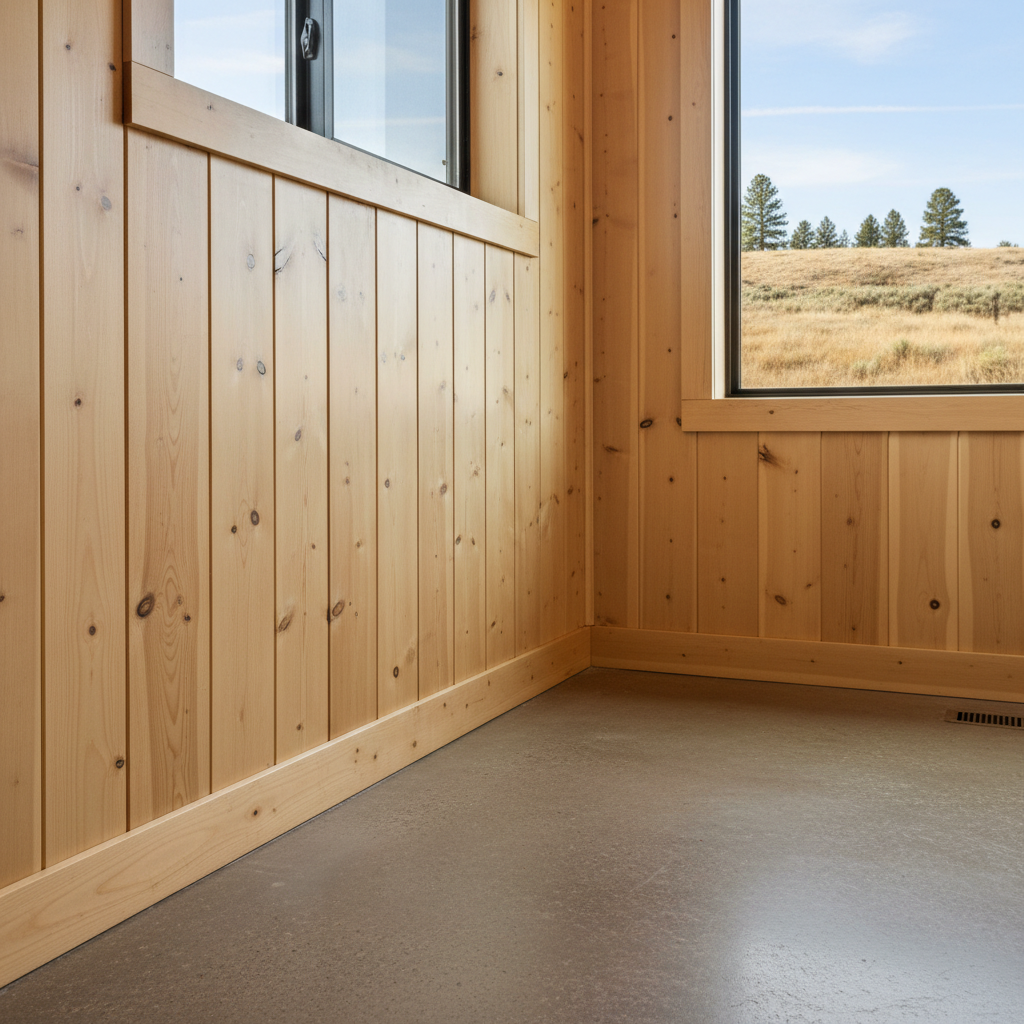
You bet you do. Most garage slabs aren't designed to be a finished floor for a living space. They might not be perfectly level, they often lack a vapor barrier, and they're rarely insulated. If you're planning on putting down hardwood or even certain types of tile, an uneven slab can cause major headaches. We usually recommend assessing the existing slab for cracks, levelness, and moisture issues. Often, we'll need to pour a new layer of concrete over the existing one, add insulation, or at the very least, apply a good vapor barrier and self-leveling compound. Getting this right upfront saves you a ton of trouble down the road with cold floors, moisture problems, or uneven finishes.
How much does a typical garage conversion cost in Eagle, ID?
That's the million-dollar question, and honestly, it varies a lot. A basic conversion to a home office with no plumbing might run you $30,000 to $50,000. But if you're talking about a full-blown ADU with a kitchen, bathroom, and separate entrance, you're usually looking at $75,000 to $150,000, sometimes more for high-end finishes or complex utility runs. It depends on the size of your garage, the scope of work, and the quality of materials you choose. Things like moving electrical panels, adding new sewer lines, or extensive structural changes can quickly push costs up. My advice? Get a detailed quote that breaks down everything. Don't just go for the cheapest number; make sure you understand what's included and what's not.
What about heating and cooling? Can I just extend my main house's system?
You could, but it's often not the best idea. Your main house's HVAC system was sized for your house, not an additional living space. Tapping into it can overwork your existing unit, making both your house and the new space less comfortable and less efficient. Plus, you might not want to heat or cool the garage conversion at the same temperature or schedule as your main house. For garage conversions, I almost always recommend a dedicated system. A mini-split heat pump is a fantastic option. They're energy-efficient, provide both heating and cooling, and allow for independent temperature control. It's a smart investment that pays off in comfort and lower utility bills.
Will converting my garage affect my property taxes or insurance?
Yes, it most likely will. When you convert a garage into a habitable living space, you're increasing the square footage of your home that's considered 'finished' and livable. This usually increases your property's assessed value, which in turn means higher property taxes. It's not a huge jump typically, but it's something to factor into your budget. As for insurance, you absolutely need to inform your homeowner's insurance provider. They'll need to update your policy to reflect the new living space, especially if it's going to be rented out or used by a family member. Failing to do so could mean your new space isn't covered in case of damage or liability. It's always better to be upfront and ensure you're fully protected.
What's the deal with parking requirements after a garage conversion in Eagle?
This is a common snag for folks in older neighborhoods like those around Eagle Hills. The City of Eagle has specific requirements for off-street parking, and if your garage was counting as one or two of those spots, converting it means you've just lost them. You might need to demonstrate that you still have adequate parking on your property, perhaps by creating a new paved spot or extending your driveway. If you can't meet the requirements, you might need to apply for a variance, which adds time and complexity to the project. It's crucial to check with the city's planning department early on to understand your specific parking obligations before you get too deep into design plans.