So, you're thinking about adding an attached ADU to your place here in Eagle. That's a smart move. Whether it's for family, rental income, or just extra space, an attached ADU can really boost your property's value and utility. But before you grab your hammer, let's talk about what's involved and where your skills might fit in versus when you absolutely need to call in the cavalry.
Before You Even Start: The Planning & Permitting Maze
This is where a lot of folks get tripped up, and honestly, it's not the place to try and save a buck if you're not deeply familiar with local codes. Eagle's got its own set of rules, and they change. You'll need to understand zoning, setbacks, lot coverage, and specific ADU ordinances. Can you look up the city's planning department website? Sure. Can you download forms? Absolutely. But interpreting those codes, especially for an attached structure that ties into your existing home's infrastructure? That's a different ballgame.
DIY Potential: Low. You can do preliminary research, measure your property, and sketch out ideas. But for actual architectural drawings, structural engineering, and navigating the permit application process, you're almost always better off with a professional. They know the language, they know the process, and they can spot issues before they become expensive problems. Trust me, getting a permit denied or having to redo plans costs way more than hiring someone to get it right the first time.
The Foundation & Framing: Getting It Right
Once you've got your permits, it's time to break ground. An attached ADU means tying into your existing foundation, or at least building a new one right up against it. This isn't just about digging a trench; it's about proper footings, drainage, and ensuring structural integrity for both the new and old structures. And framing? That's the skeleton of your new space. It needs to be plumb, level, and square, built to code, and ready to support everything else.
DIY Potential: Medium-Low. If you've got serious experience pouring concrete, operating heavy equipment, and framing entire houses, then maybe. But for most homeowners, even those who are pretty handy, this is where you call in the pros. A bad foundation means cracks, water issues, and a host of headaches down the line. Shoddy framing means doors won't close, walls aren't straight, and your inspector will have a field day. This is foundational work, literally. Get it wrong, and you're rebuilding.
Rough-Ins: Electrical, Plumbing, HVAC
Now we're talking about the guts of your ADU. Running new electrical lines, adding plumbing for a bathroom and kitchen, and potentially extending your HVAC system or installing a separate unit. This work is not only complex but also carries significant safety risks if not done correctly. Eagle ADU Solutions sees a lot of folks try to save money here, and it often ends up costing them more in the long run with code violations or, worse, safety hazards.
DIY Potential: Low (for most). Unless you're a licensed electrician, plumber, or HVAC tech yourself, this is professional territory. You need to know about load calculations, pipe sizing, venting, gas lines, refrigerant, and a hundred other things. Plus, all this work needs to be inspected. A professional knows what the inspectors are looking for and how to pass the first time.
Insulation, Drywall, and Exterior Finishes
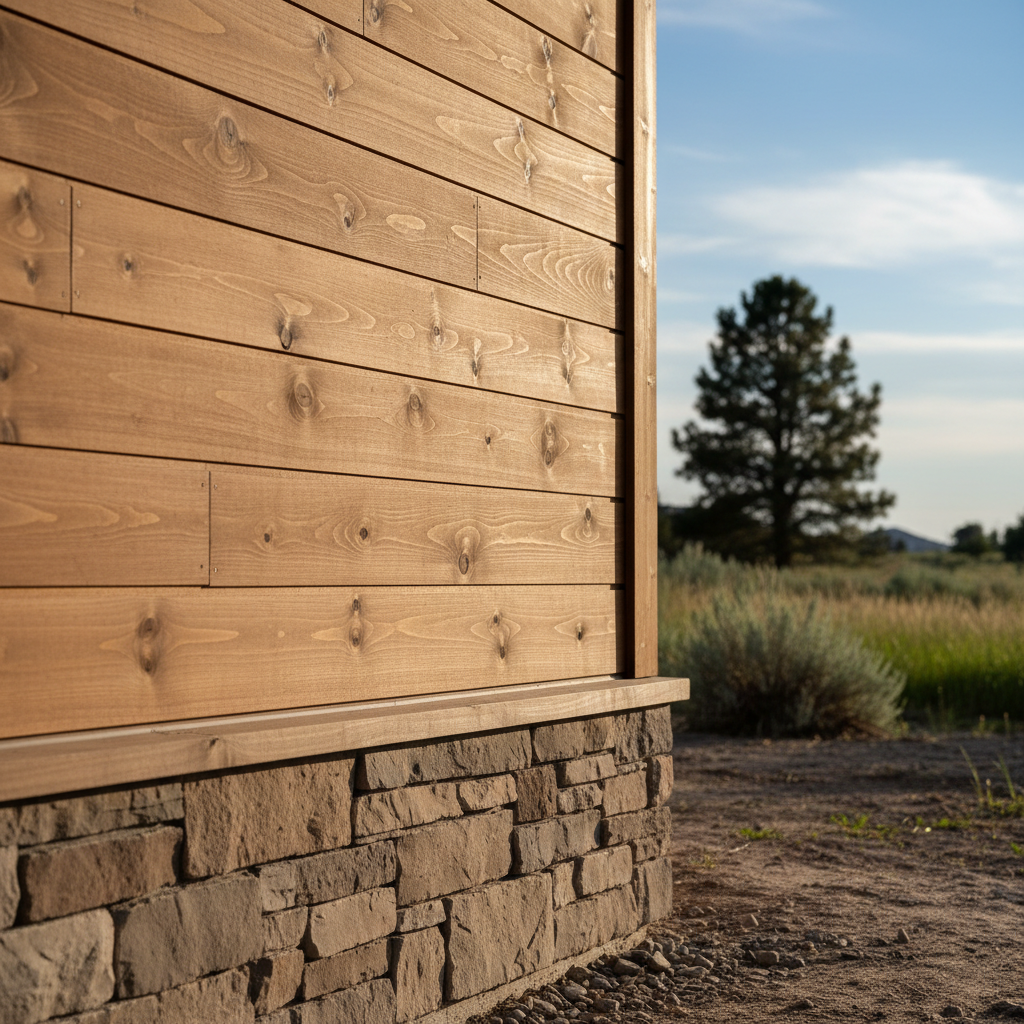
This is where you start to see your ADU take shape. Insulation keeps it warm in our chilly Eagle winters and cool in the summer. Drywall creates the interior walls, and exterior finishes protect the structure and make it look good. This is also where you'll be tying into your existing home's exterior, so matching materials and ensuring weatherproofing is key.
DIY Potential: Medium-High. If you're patient and willing to learn, you can definitely tackle insulation and drywall. There are plenty of online tutorials, and the tools aren't overly specialized. It's labor-intensive, and getting a perfectly smooth drywall finish takes practice, but it's doable. Exterior finishes like siding or stucco can also be DIY, but getting a seamless match to your existing home can be tricky. Roofing? Unless it's a very simple low-slope roof, probably best left to the pros for proper sealing and longevity.
Finishing Touches: Flooring, Cabinets, Paint, Fixtures
This is the fun part, and it's where your personal style really comes through. Installing flooring, assembling and hanging cabinets, painting, and putting in light fixtures, sinks, and toilets. This is also where you can save a significant amount of money if you're willing to put in the time.
DIY Potential: High. Most homeowners can handle these tasks. Painting is a classic DIY project. Installing laminate or LVP flooring is very common. Assembling flat-pack cabinets and installing basic light fixtures or faucets are also well within reach for someone with a decent toolkit and some patience. Just make sure you're careful with any plumbing or electrical connections, even for simple fixture swaps. When in doubt, turn off the power or water.
Look, building an attached ADU is a big project. There are definitely parts you can do yourself to save some cash, especially on the finishing side. But for anything structural, electrical, plumbing, or HVAC related, you're usually better off bringing in experienced professionals. It's not just about getting the job done; it's about getting it done safely, to code, and built to last. For the big stuff, give us a call at Eagle ADU Solutions. We're happy to talk through your project and help you figure out the best approach for your home.